.webp&w=3840&q=75)
Clinically Structured • Safe • Supervised
Contrast Therapy
in Mumbai
Ice bath and infrared sauna using advanced protocols to help you recover, reset and perform at your best.
5.0
Google Reviews
500+ Happy Clients
15+ Years
Clinical Experience
Protocols built for recovery.
Physio-Led
Supervised Sessions
Guided heat and cold cycles.
Day & Night
Cycle Protocols
Matched to your training day.
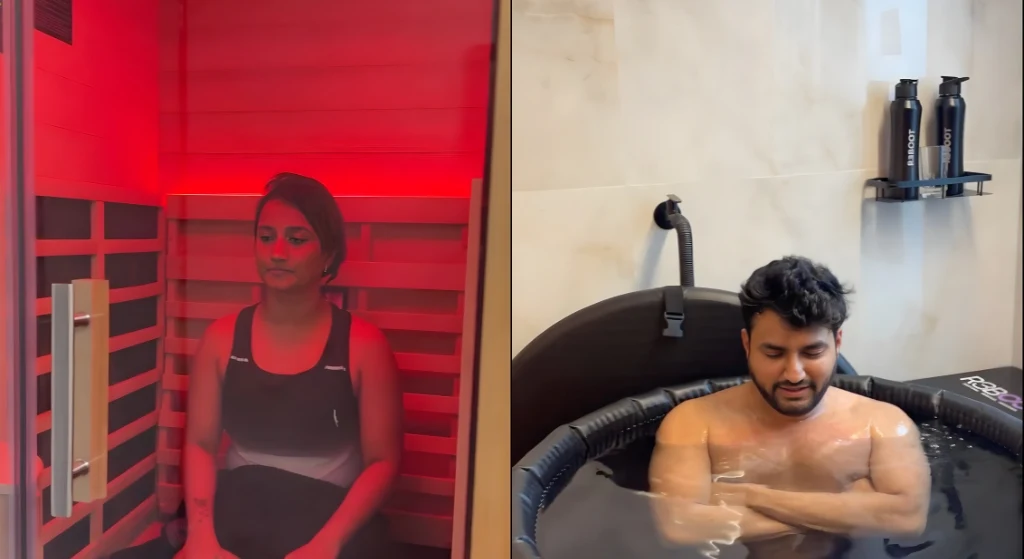
Contrast Therapy in Mumbai
Ice bath and infrared sauna in a clinically structured protocol. Day and Night Cycle. Supervised by physiotherapists at R3BOOT Dadar.



What to expect at R3BOOT
A full session takes 45–60 minutes including intake, supervised protocol, and post-session check-in.
Health Assessment
Short intake covering your training background, injury history, and any health conditions. Your physiotherapist confirms contrast therapy is right for you right now.
Breathing Prep and Supervised Protocol
We walk you through controlled breathing before immersion. Then sauna (68°C) and ice bath (6-10°C) in structured sequence under team guidance.
Post-Session Check-in
We review how your body responded. Most clients feel reduced soreness and improved clarity within 30-60 minutes. We advise light movement for the remainder of the day.
Clinical Hygiene Standards
Sauna, ice bath, and changing areas are cleaned and sanitised between every session. Fresh towels, filtered water, and single-use disposables where needed — held to clinical standards throughout.
Sound familiar?
If any of these feel like your week, recovery is the variable you're missing.
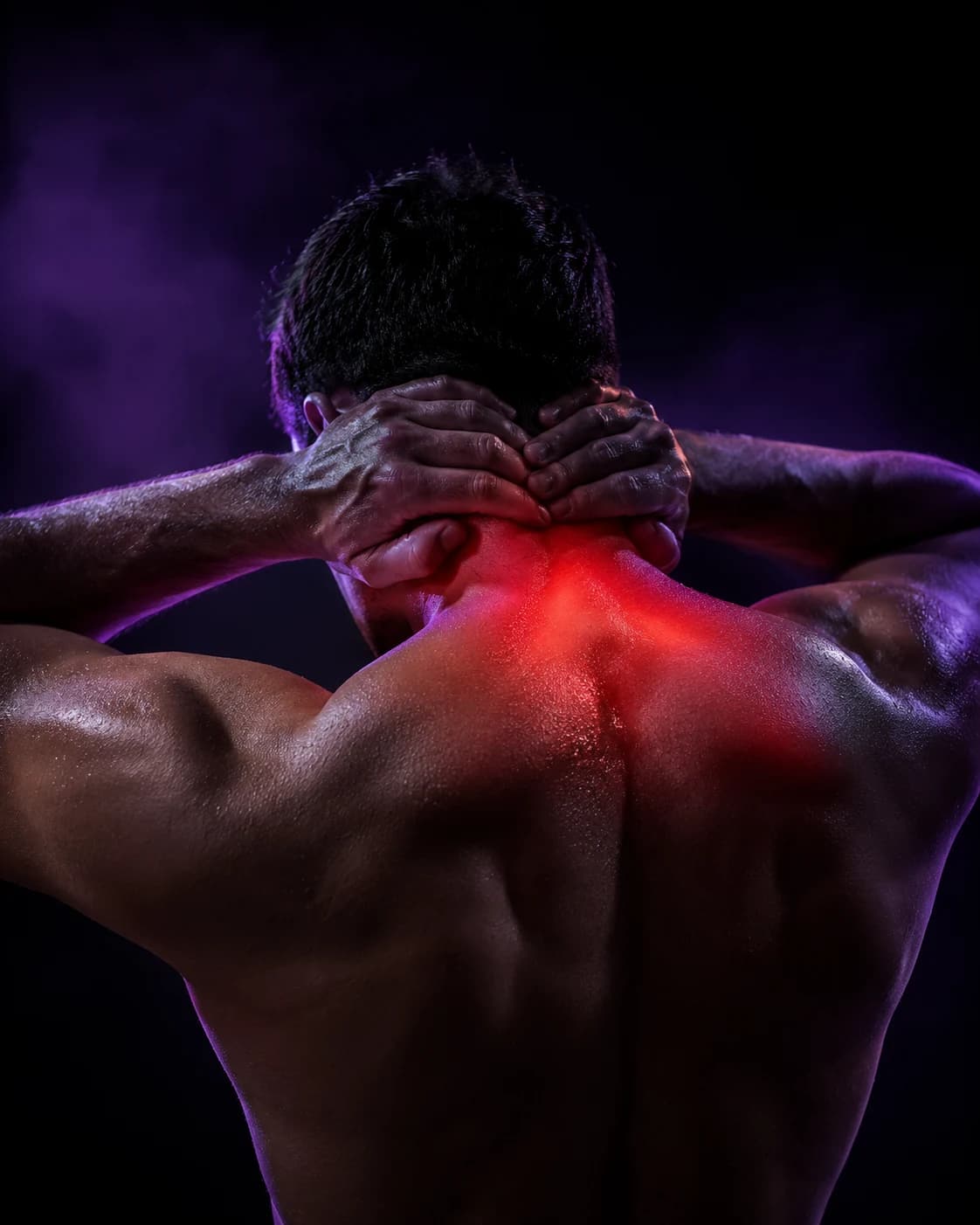
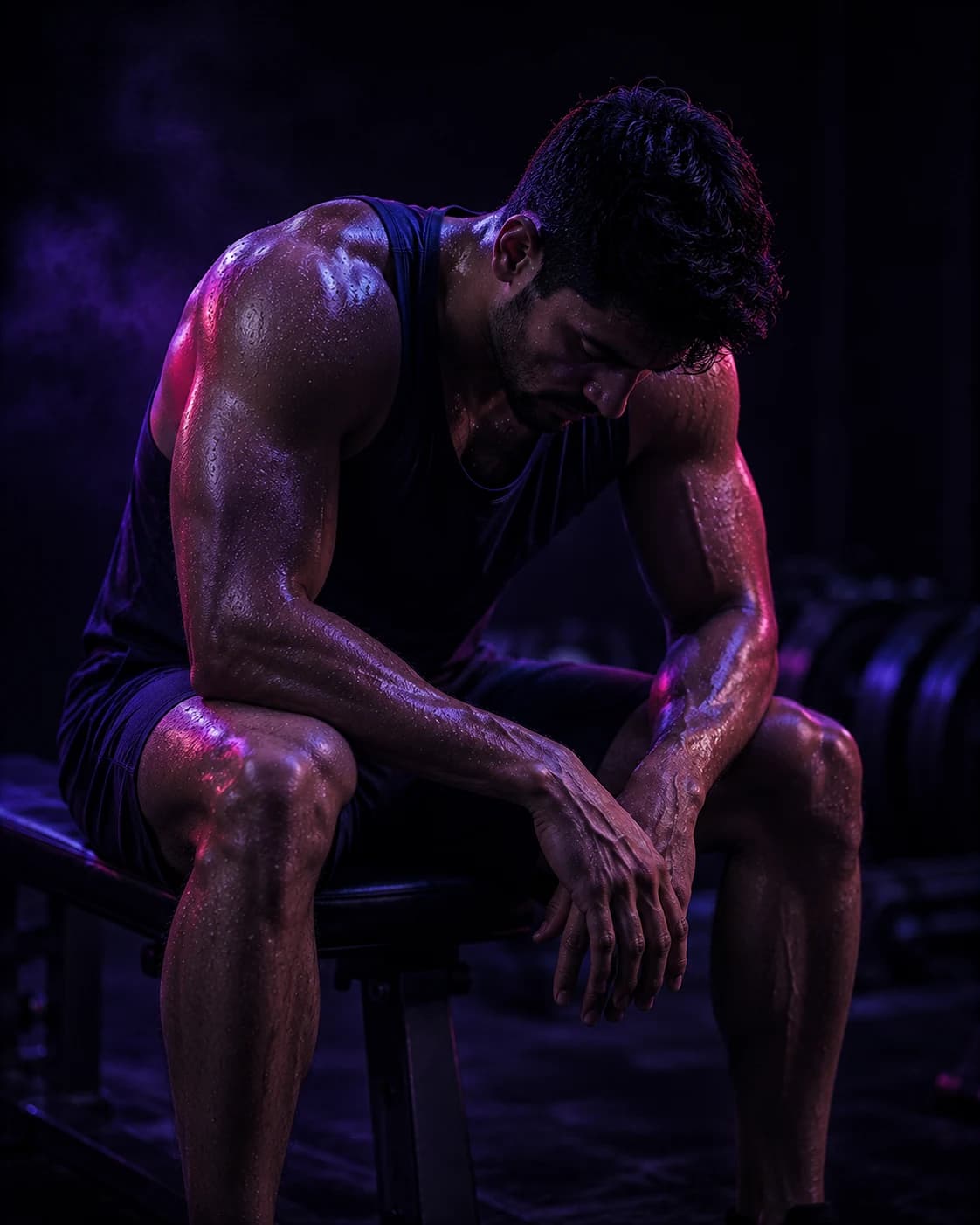
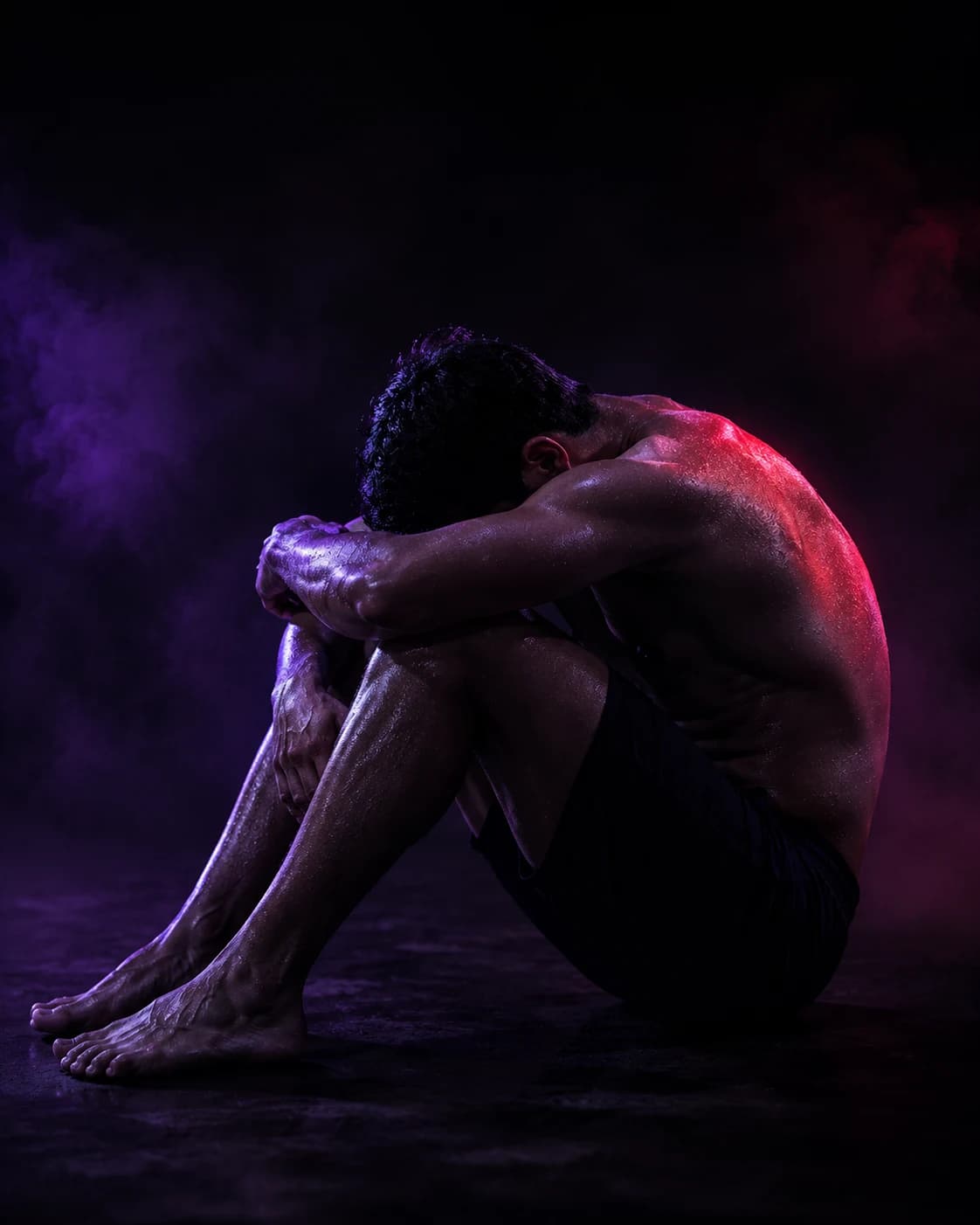
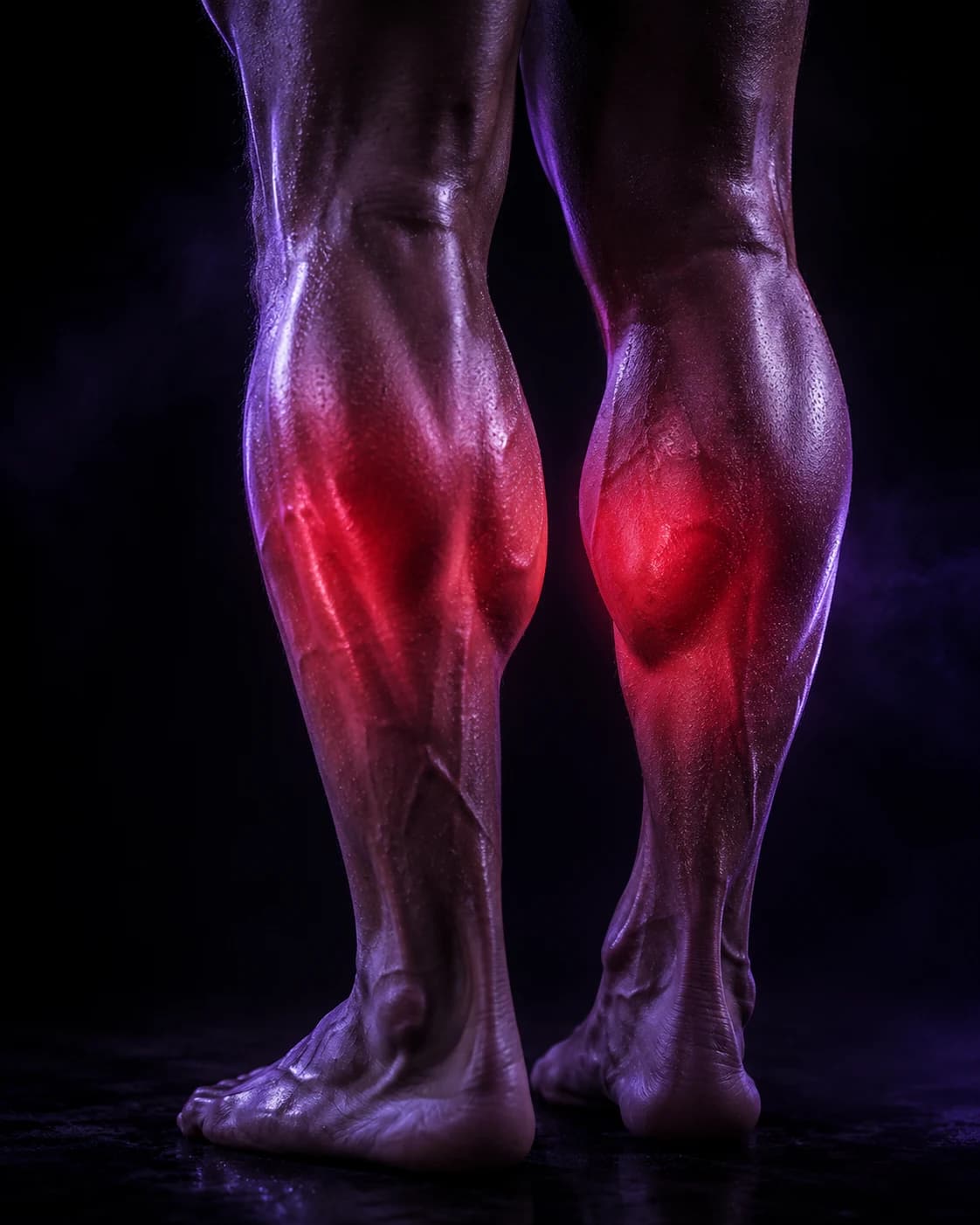
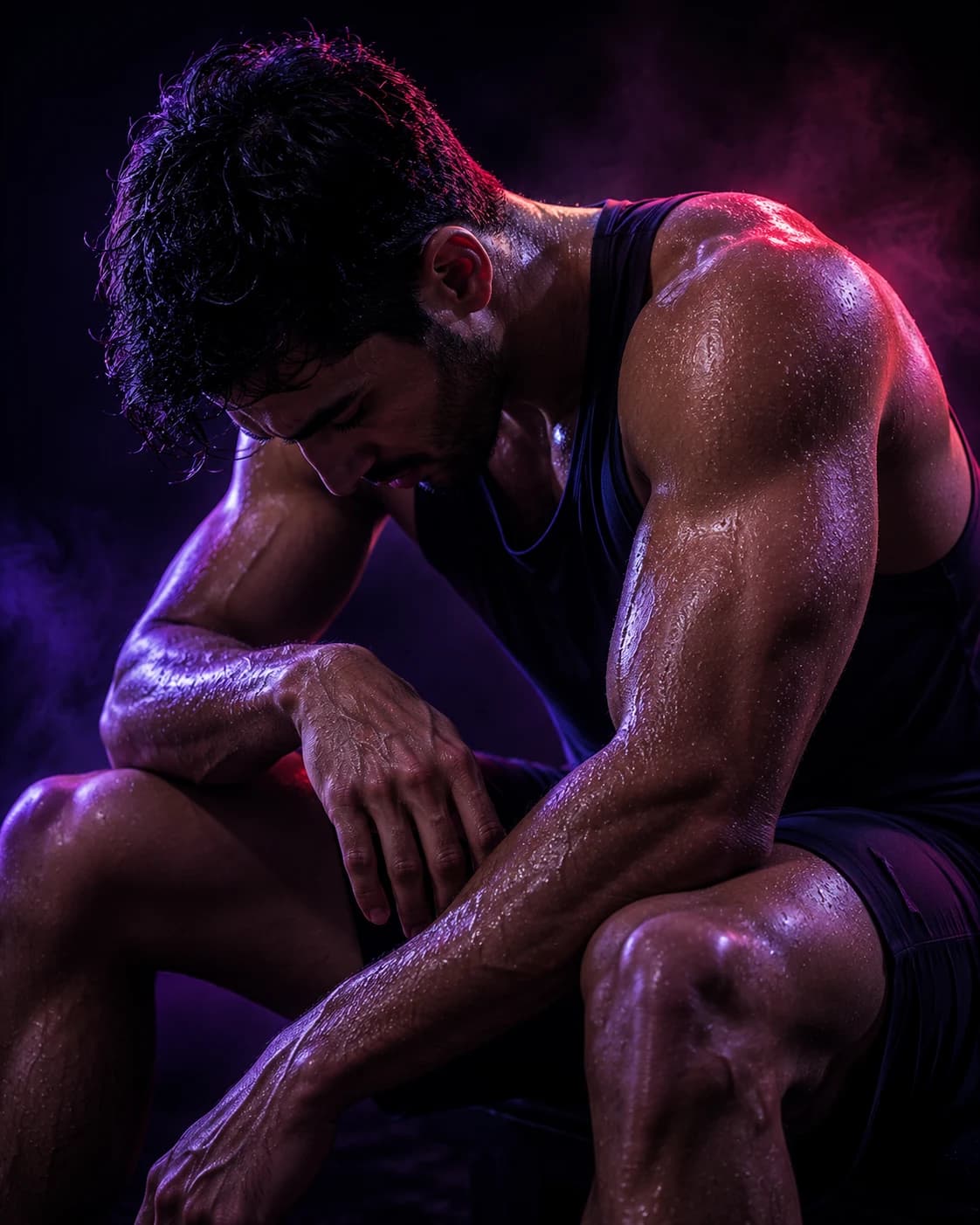
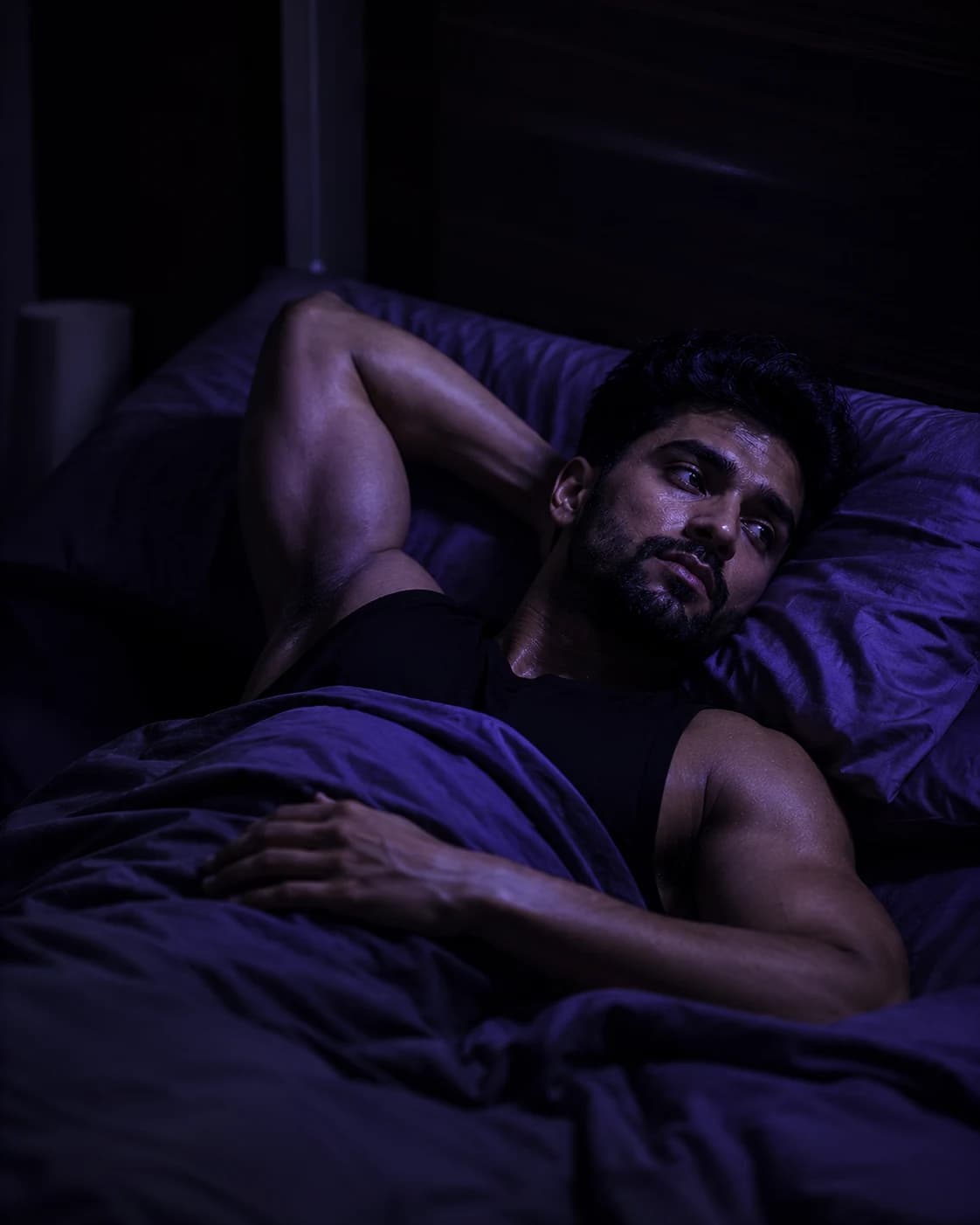
Still sore two days after training
DOMS that lingers past 48 hours and cuts your next session short.
Recovery isn't a luxury.
It's what keeps you consistent.
DOMS that lingers past 48 hours and cuts your next session short.
DOMS that lingers past 48 hours and cuts your next session short.
What contrast
therapy does to your body
When you alternate between heat and cold, your body responds at a vascular level. Repeating the cycle two to three times creates a pumping action that clears metabolic waste at a rate passive rest cannot match.
Heat phase at 68°C
Blood vessels dilate. Blood flow to muscles increases. Oxygen and nutrients reach damaged tissue. Muscle tension decreases.
Cold phase at 6–10°C
Blood vessels constrict. Blood and metabolic waste - lactic acid, inflammatory cytokines - are forced away from muscles. Swelling reduces.
The alternation effect
Repeating the cycle creates a vascular pumping action. Research shows contrast therapy reduces perceived muscle soreness significantly more than cold immersion alone.
Contrast Therapy delivers more than cold alone.
Ice baths have their place. But alternating heat and cold creates a vascular pumping effect that clears more waste, reduces soreness and supports better performance.
Clean water. Clean setup. Every session.
Cold and heat therapy only works when it is administered safely. Our ice bath and sauna are cleaned and screened between every client, not at the end of the day.
Filtered ice bath water
Ice bath water is filtered and screened after every single session, not just at the end of the day.
Sanitised between sessions
Sauna, tub, and changing areas are cleaned and sanitised before every client, not on a daily schedule.
Fresh towels, every time
Every client is given a fresh, laundered towel. Nothing is reused between sessions.
Clinical hygiene standard
Single-use disposables where needed, held to the same hygiene standard as our physiotherapy clinic.
Why Mumbai Chooses
Contrast Therapy
Heat, humidity, long desk days, and heavy training all stack recovery debt. Contrast therapy helps athletes, gym goers, and corporate professionals reset circulation, reduce soreness, and feel sharper again.
We combine contrast therapy with sports massage, physiotherapy and sports psychology for complete, stage-wise recovery.
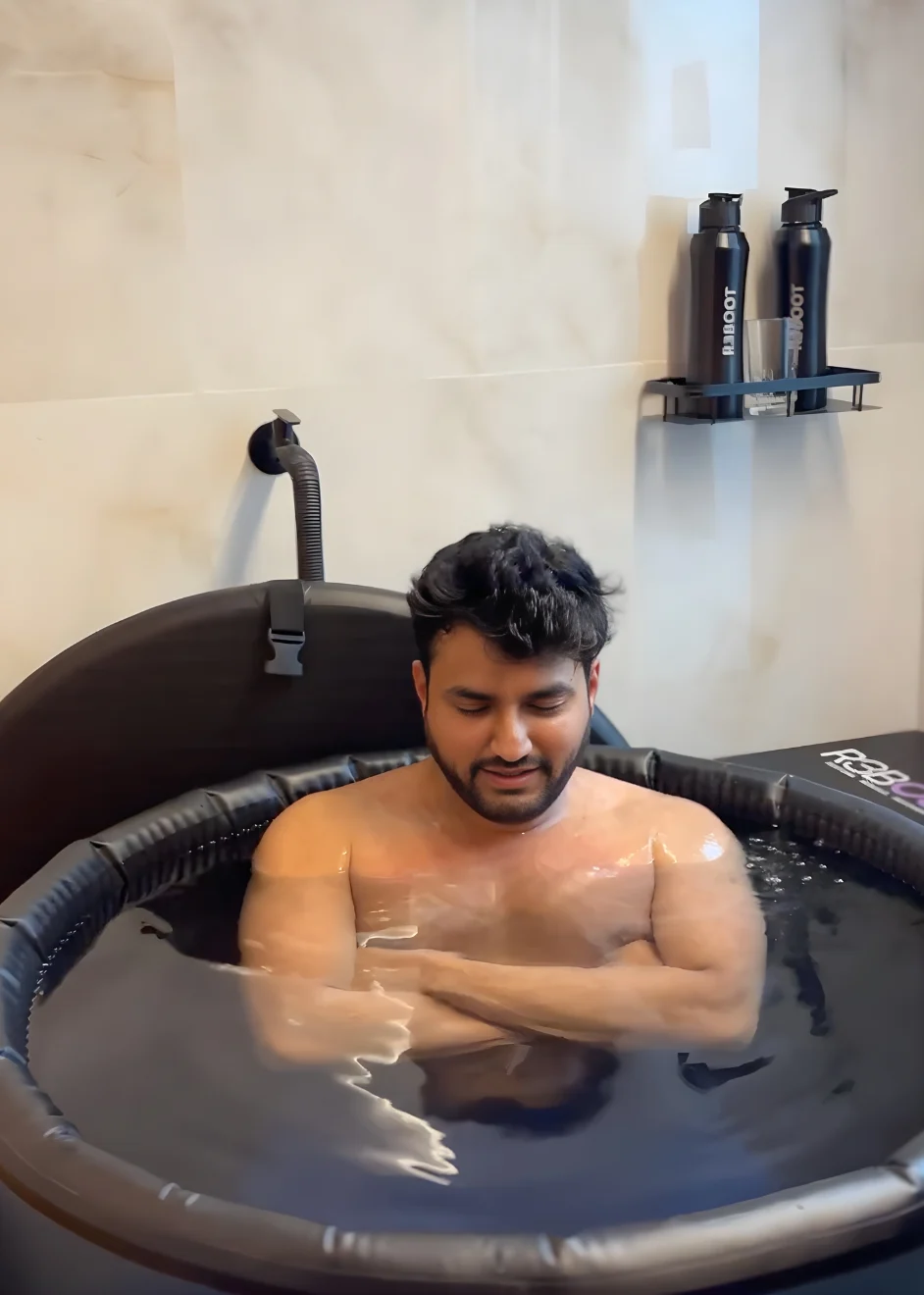
Reduces inflammation, controls swelling, lowers muscle temperature.
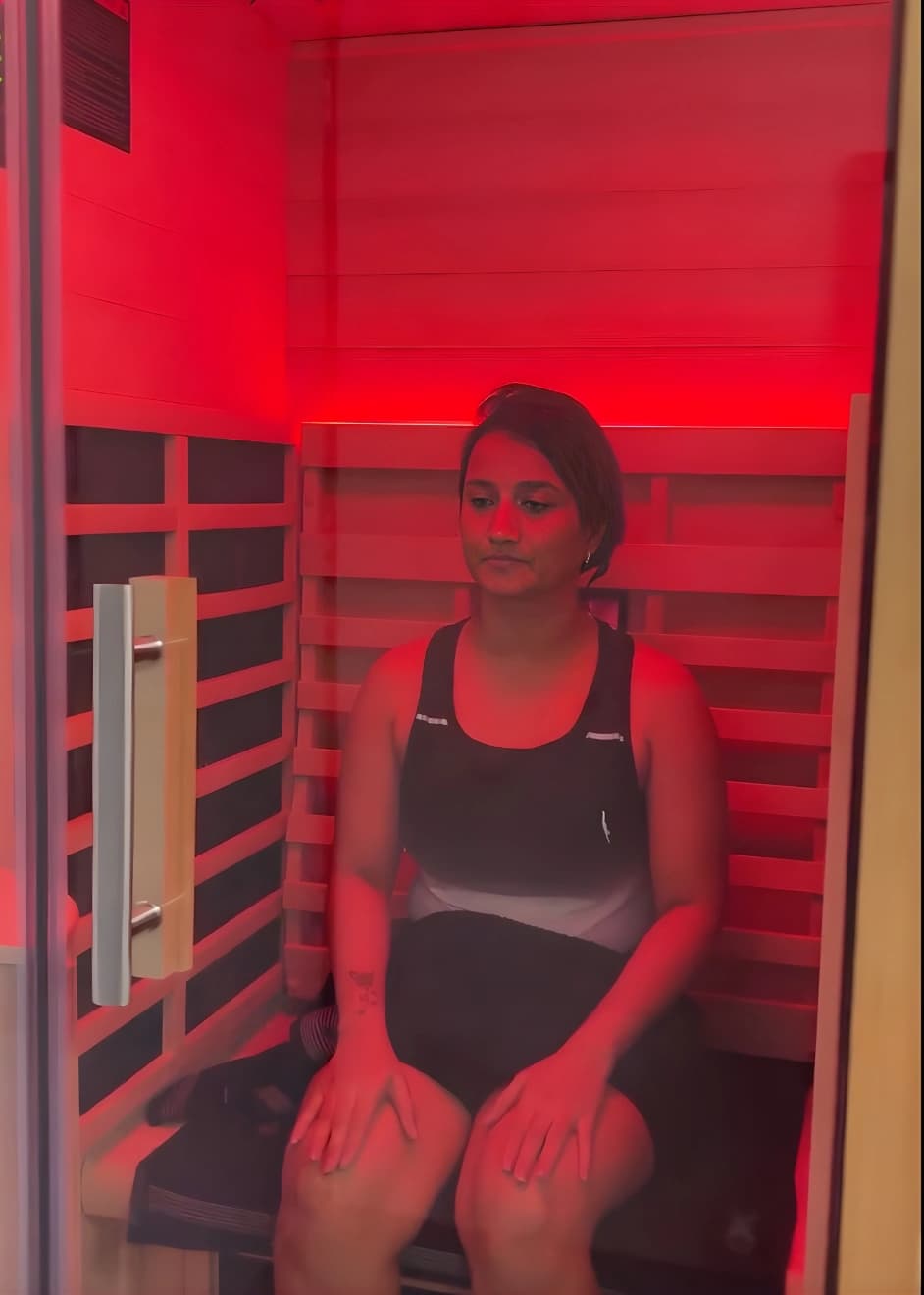
Improves circulation, relaxes muscles, prepares body.
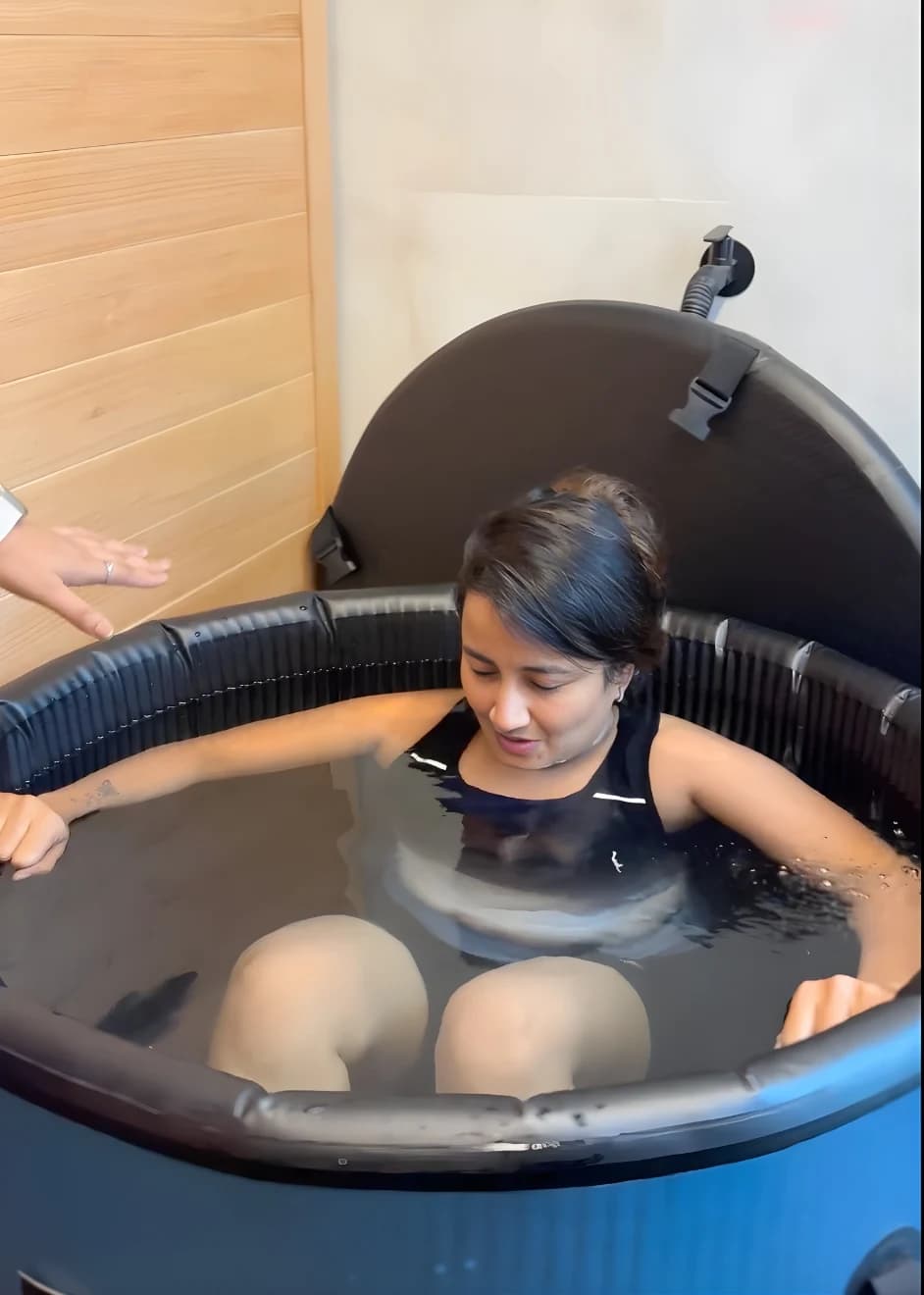
Promotes recovery, restores balance, enhances performance.
The team behind
your recovery.
Dedicated professionals.
Real care.
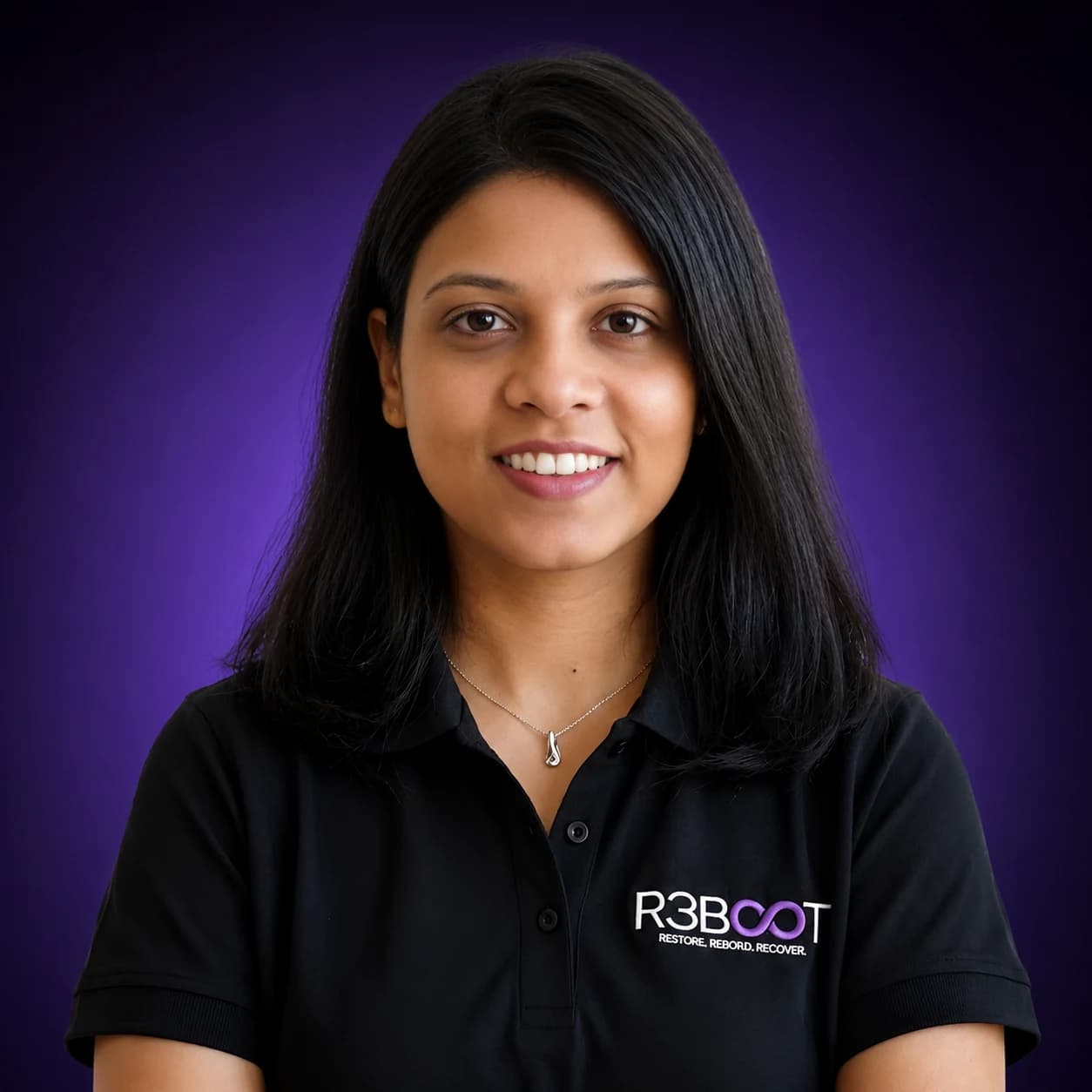
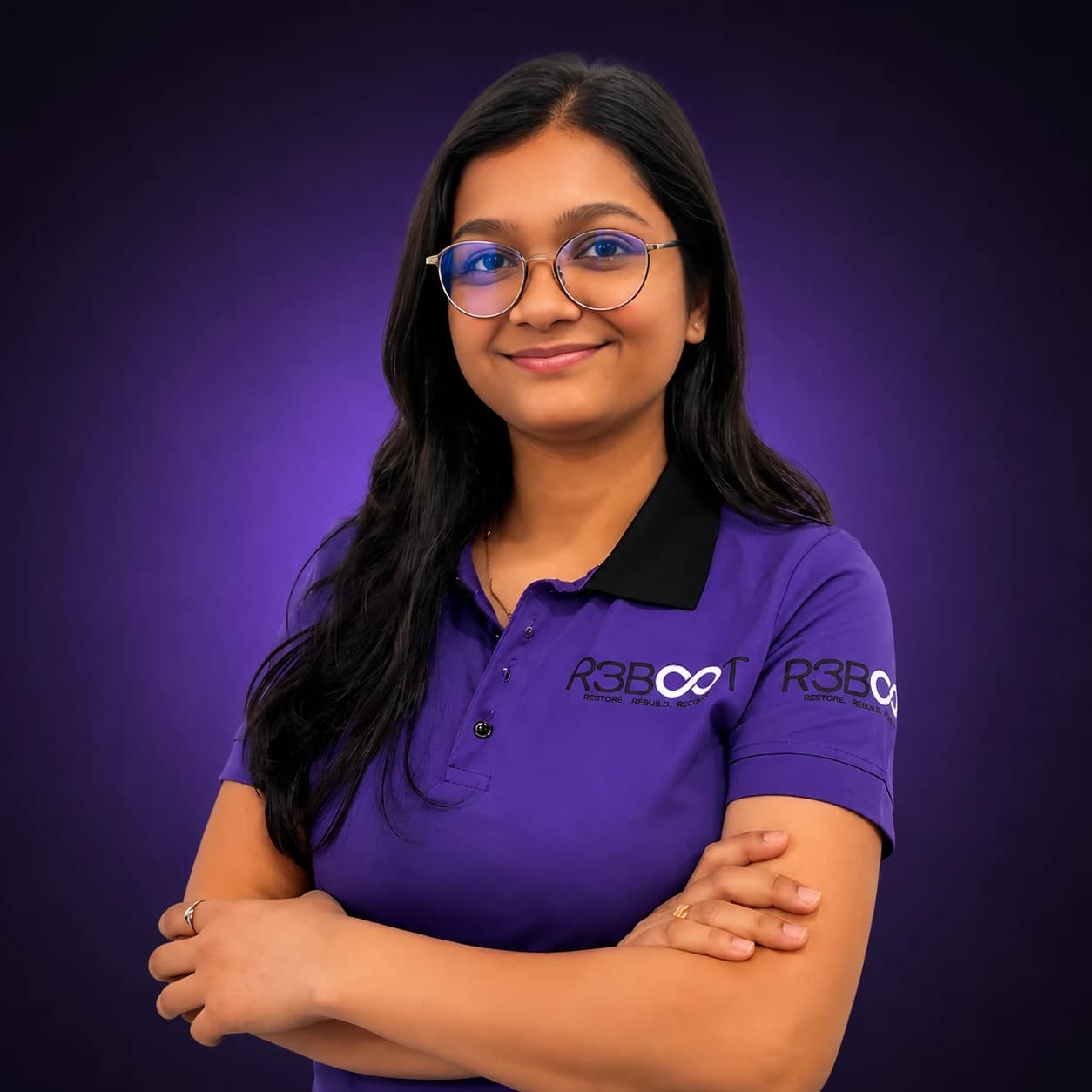
Dr. Hiral Parikh
The team behind your recovery.
Dedicated professionals. Real care.
Lead Physiotherapist
Dr. Hiral Parikh
BPT, Padmashree Dr. D.Y. Patil College of Physiotherapy|15+ Years Experience
Every protocol is supervised by a qualified physiotherapist. Your safety, comfort and recovery are in expert hands.
15+
Years Experience
5.0 ★
Google Rating
What clients say
Chandrakant Chande
Local Guide · 24 reviews
“Reboot team was wonderful. Navigated me through the entire contrast therapy experience with great insights. My body also feels lighter and better. Would definitely recommend this place for someone looking for good recovery.”
Dharmesh Thakkar
Google User · 8 reviews
“The deep tissue massage, cupping therapy, and ice water treatment helped relieve my body stiffness tremendously, while the sauna session left me feeling completely rejuvenated. Professional and well-equipped.”
Namrata Doshi
Local Guide · 12 reviews
“The team is highly professional, knowledgeable, and genuinely caring. From the initial assessment to the recovery plan, everything was clearly explained and tailored to my needs. Highly recommend R3BOOT.”
Sonal Malik
Google User · 6 reviews
“The Pilates sessions were highly personalized, with clear focus on alignment and core strength. I have already noticed better posture and reduced stiffness. Highly recommend for anyone serious about long-term physical wellness.”
JugalKishore Shah
Google User · 3 reviews
“Excellent idea brought into reality. People will love to take benefit of it. Very professionally done. Keep it up and maintain high standard of services.”

Arjun
Google User · 5 reviews
“Wonderful experience. It is one of those places you actually wait to visit again because the first time was so amazing. Highly recommended!”
What clients say
Chandrakant Chande
Local Guide · 24 reviews
“Reboot team was wonderful. Navigated me through the entire contrast therapy experience with great insights. My body also feels lighter and better. Would definitely recommend this place for someone looking for good recovery.”
Dharmesh Thakkar
Google User · 8 reviews
“The deep tissue massage, cupping therapy, and ice water treatment helped relieve my body stiffness tremendously, while the sauna session left me feeling completely rejuvenated. Professional and well-equipped.”
Namrata Doshi
Local Guide · 12 reviews
“The team is highly professional, knowledgeable, and genuinely caring. From the initial assessment to the recovery plan, everything was clearly explained and tailored to my needs. Highly recommend R3BOOT.”
Sonal Malik
Google User · 6 reviews
“The Pilates sessions were highly personalized, with clear focus on alignment and core strength. I have already noticed better posture and reduced stiffness. Highly recommend for anyone serious about long-term physical wellness.”
JugalKishore Shah
Google User · 3 reviews
“Excellent idea brought into reality. People will love to take benefit of it. Very professionally done. Keep it up and maintain high standard of services.”
Arjun
Google User · 5 reviews
“Wonderful experience. It is one of those places you actually wait to visit again because the first time was so amazing. Highly recommended!”
Chandrakant Chande
Local Guide · 24 reviews
“Reboot team was wonderful. Navigated me through the entire contrast therapy experience with great insights. My body also feels lighter and better. Would definitely recommend this place for someone looking for good recovery.”
Dharmesh Thakkar
Google User · 8 reviews
“The deep tissue massage, cupping therapy, and ice water treatment helped relieve my body stiffness tremendously, while the sauna session left me feeling completely rejuvenated. Professional and well-equipped.”
Namrata Doshi
Local Guide · 12 reviews
“The team is highly professional, knowledgeable, and genuinely caring. From the initial assessment to the recovery plan, everything was clearly explained and tailored to my needs. Highly recommend R3BOOT.”
Sonal Malik
Google User · 6 reviews
“The Pilates sessions were highly personalized, with clear focus on alignment and core strength. I have already noticed better posture and reduced stiffness. Highly recommend for anyone serious about long-term physical wellness.”
JugalKishore Shah
Google User · 3 reviews
“Excellent idea brought into reality. People will love to take benefit of it. Very professionally done. Keep it up and maintain high standard of services.”
Arjun
Google User · 5 reviews
“Wonderful experience. It is one of those places you actually wait to visit again because the first time was so amazing. Highly recommended!”
Chandrakant Chande
Local Guide · 24 reviews
“Reboot team was wonderful. Navigated me through the entire contrast therapy experience with great insights. My body also feels lighter and better. Would definitely recommend this place for someone looking for good recovery.”
Dharmesh Thakkar
Google User · 8 reviews
“The deep tissue massage, cupping therapy, and ice water treatment helped relieve my body stiffness tremendously, while the sauna session left me feeling completely rejuvenated. Professional and well-equipped.”
Namrata Doshi
Local Guide · 12 reviews
“The team is highly professional, knowledgeable, and genuinely caring. From the initial assessment to the recovery plan, everything was clearly explained and tailored to my needs. Highly recommend R3BOOT.”
Sonal Malik
Google User · 6 reviews
“The Pilates sessions were highly personalized, with clear focus on alignment and core strength. I have already noticed better posture and reduced stiffness. Highly recommend for anyone serious about long-term physical wellness.”
JugalKishore Shah
Google User · 3 reviews
“Excellent idea brought into reality. People will love to take benefit of it. Very professionally done. Keep it up and maintain high standard of services.”
Arjun
Google User · 5 reviews
“Wonderful experience. It is one of those places you actually wait to visit again because the first time was so amazing. Highly recommended!”
Chandrakant Chande
Local Guide · 24 reviews
“Reboot team was wonderful. Navigated me through the entire contrast therapy experience with great insights. My body also feels lighter and better. Would definitely recommend this place for someone looking for good recovery.”
Dharmesh Thakkar
Google User · 8 reviews
“The deep tissue massage, cupping therapy, and ice water treatment helped relieve my body stiffness tremendously, while the sauna session left me feeling completely rejuvenated. Professional and well-equipped.”
Namrata Doshi
Local Guide · 12 reviews
“The team is highly professional, knowledgeable, and genuinely caring. From the initial assessment to the recovery plan, everything was clearly explained and tailored to my needs. Highly recommend R3BOOT.”
Sonal Malik
Google User · 6 reviews
“The Pilates sessions were highly personalized, with clear focus on alignment and core strength. I have already noticed better posture and reduced stiffness. Highly recommend for anyone serious about long-term physical wellness.”
JugalKishore Shah
Google User · 3 reviews
“Excellent idea brought into reality. People will love to take benefit of it. Very professionally done. Keep it up and maintain high standard of services.”
Arjun
Google User · 5 reviews
“Wonderful experience. It is one of those places you actually wait to visit again because the first time was so amazing. Highly recommended!”
Visit us at R3BOOT Dadar
Palai Plaza, 203, Swami Gyan Jivandas Marg
Dadar East, Mumbai, Maharashtra 400014
Book a session in Mumbai
R3BOOT, Dadar. Open Monday to Saturday. Our physiotherapists will tell you honestly if this is the right starting point for your recovery.
Dadar, Mumbai
Book a session in Mumbai
R3BOOT, Dadar. Open Monday to Saturday. Our physiotherapists will tell you honestly if this is the right starting point for your recovery.
Dadar, Mumbai
Ice Bath, Sauna & Locations
Other Ways to Recover
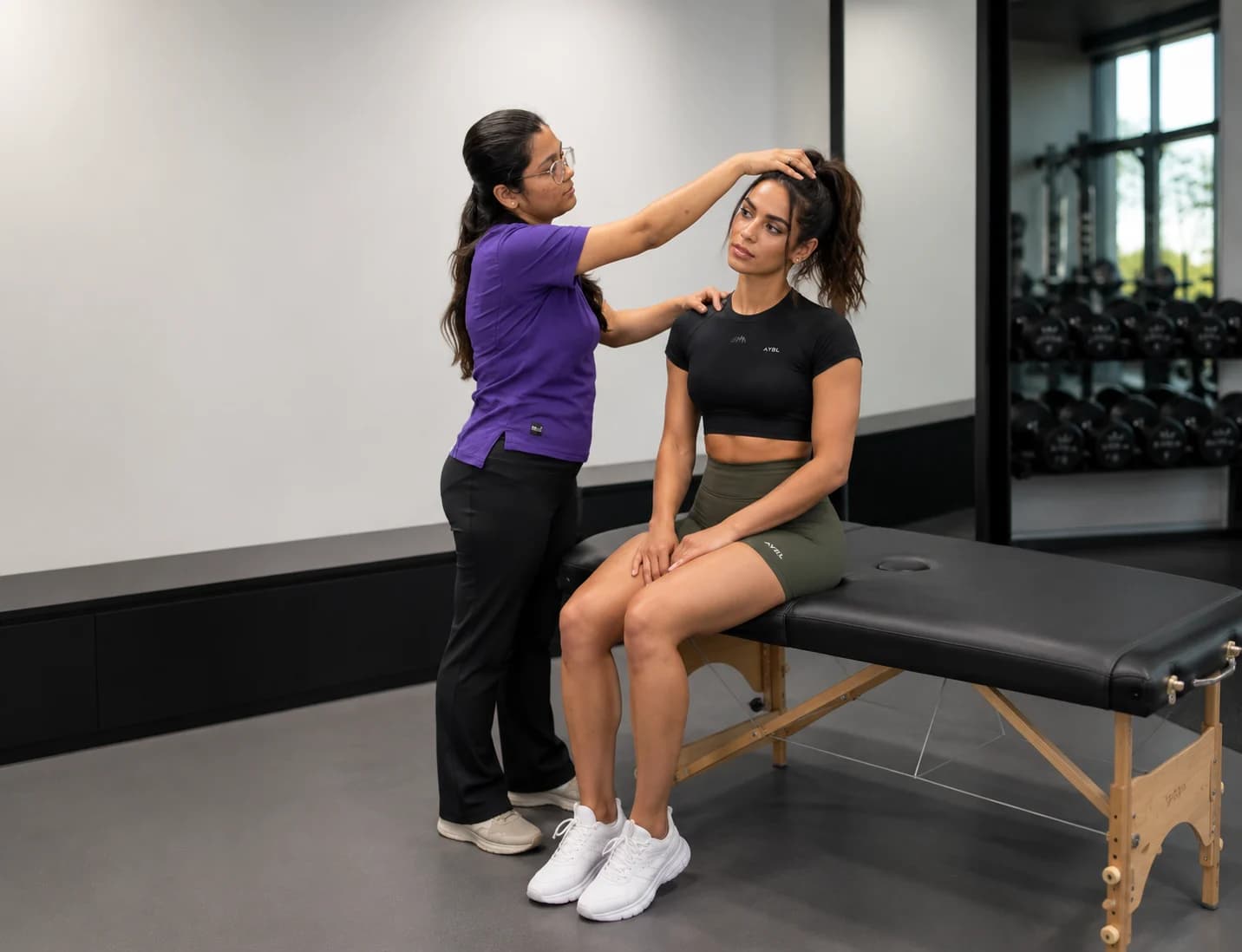
Physiotherapy
Expert care to restore movement and function.
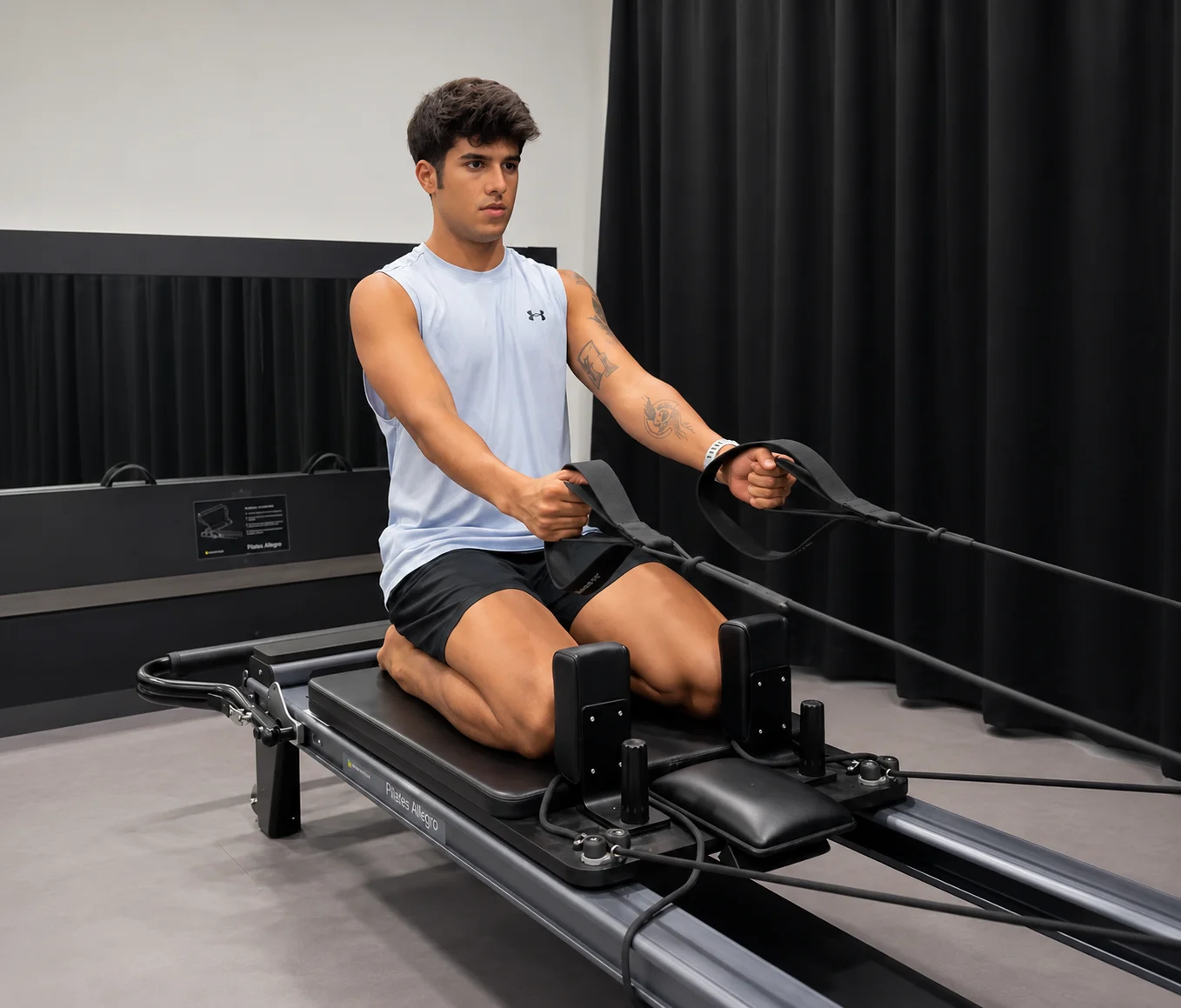
Clinical Pilates
Clinical Pilates is a scientifically guided movement approach designed to support complete and long-term recovery, not just temporary pain relief.
Compression Therapy
Normatec 3 Full Body dynamic air compression for legs, hips, and arms. Flush fatigue, boost circulation, and recover faster at R3BOOT Dadar.
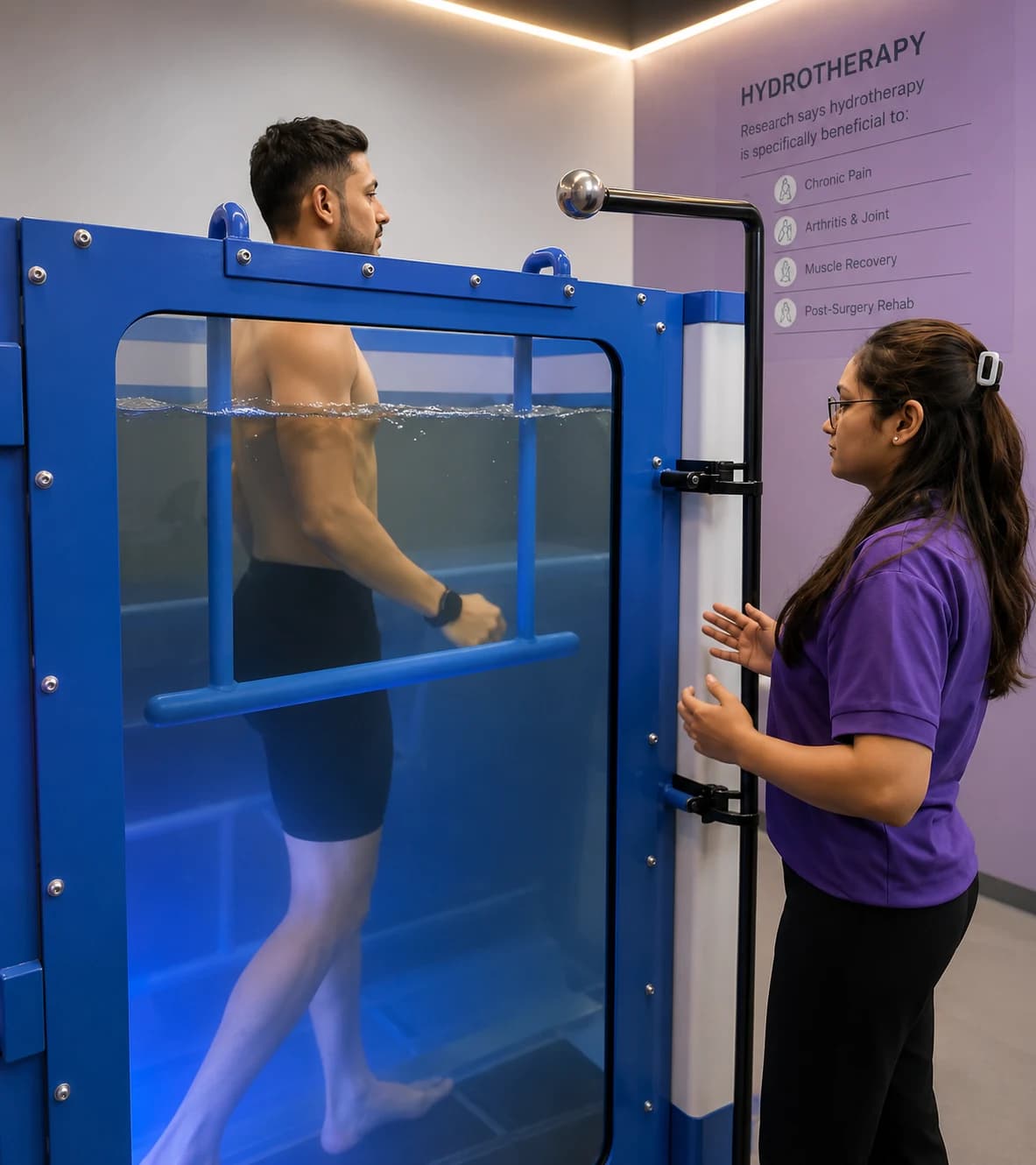
Aqua Therapy
Recovery through the therapeutic power of water.