Non-Surgical • Physio-Led • Most Improve Without Surgery
L4–L5 Disc Bulge
Recovery in Mumbai
Back pain, leg pain, or sciatica from an L4–L5 disc bulge? Structured physiotherapy and guided rehab at R3BOOT Dadar — without jumping to surgery.
Google Reviews
500+ Happy Clients
15+ Years
Clinical Experience
Physiotherapist
Led & Supervised
Aqua + Pilates
Integrated Rehab
L4–L5 Disc Bulge Recovery in Mumbai
Back pain, leg pain, or sciatica from a disc bulge at L4–L5? Physiotherapy-led rehab at R3BOOT Dadar. Most people improve without surgery.



Clinical spine and sports rehab expertise.
Every session guided by qualified physiotherapists.
What is an L4–L5 disc bulge — in plain English?
Your lower back has five main bones (vertebrae) numbered L1 to L5. Between each bone sits a soft cushion called a disc. At L4–L5 — the level just above your tailbone — that cushion can push outward. Doctors call this a disc bulge or protrusion. Many Indians know it as slip disc.
A bulge does not always mean surgery. It does not always mean permanent damage. The disc may press on a nearby nerve — often the L5 nerve — causing pain in your lower back, buttock, leg, or foot. Or it may cause only mild back stiffness. Your MRI report and your symptoms do not always match. Many people have bulges on scan with zero pain.
About 9 in 10 people with lumbar disc problems improve without surgery when they follow structured conservative care — physiotherapy, safe movement, and time. That is where R3BOOT fits: we support your recovery, not replace your doctor.
What causes it?
Age-related wear, heavy lifting, repeated bending, sudden strain, long sitting, and genetics. Mumbai commutes and desk jobs often make it worse — they do not cause it alone.
How is it diagnosed?
Your doctor examines you and may order an MRI. The scan shows disc shape. Your physiotherapist assesses how you move, where pain travels, and whether nerves are involved.
Do I need surgery?
Usually no. Surgery is for severe, persistent cases or progressive nerve weakness — not for every bulge on an MRI report.
Sound familiar?
L4–L5 disc bulge affects people differently. If any of these match your week, you are not alone — and most improve with the right rehab.
The report looks scary. Your doctor says try physiotherapy first. You want a clear plan — not more confusion.
How R3BOOT helps L4–L5 disc bulge recovery
We are a recovery clinic — not a hospital or surgery centre. Physiotherapy is the foundation. Aqua therapy, clinical Pilates, and sports massage support your plan when your physiotherapist says they are safe and useful.
We do not prescribe medication, give injections, or perform surgery. If you need those, we will tell you to see the right specialist.
We read your MRI — and your movement
Bring your MRI report if you have one. Your physiotherapist checks how you move, where pain goes, and whether nerves are involved. We treat you — not just the words on a scan. Many bulges on MRI cause no pain at all.
Physiotherapy is the starting point
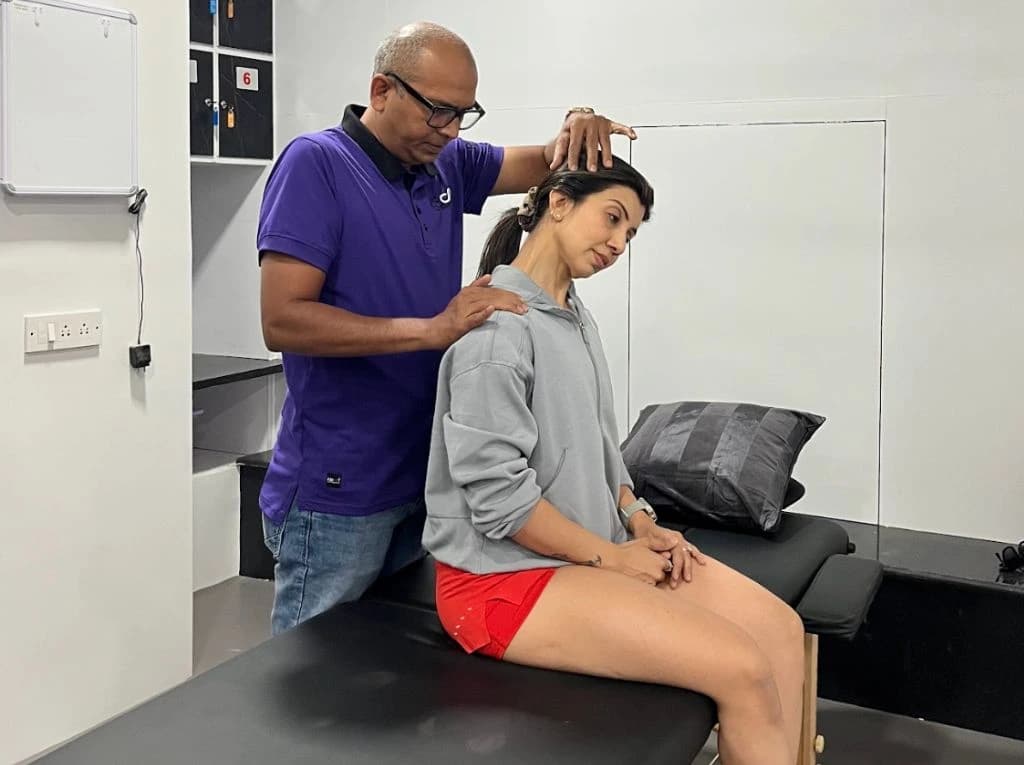
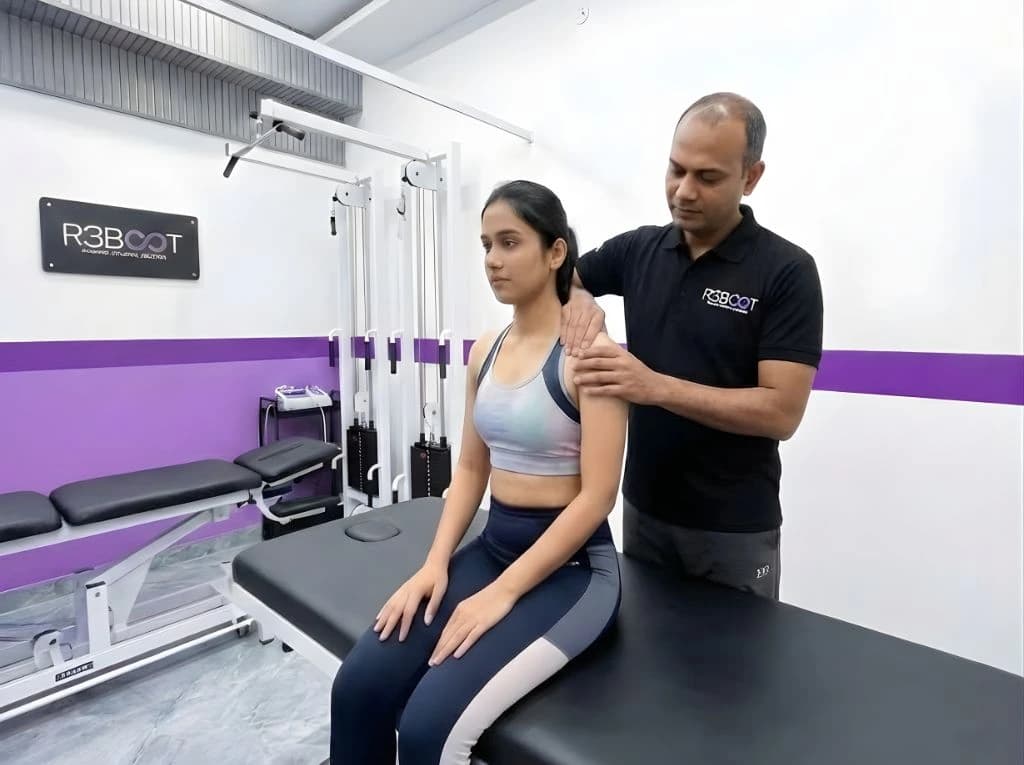
Manual therapy, nerve glides, dry needling where appropriate, and exercises matched to your pain pattern. This is the main non-surgical path for L4–L5 disc bulge. No generic printout — a plan built from your assessment.
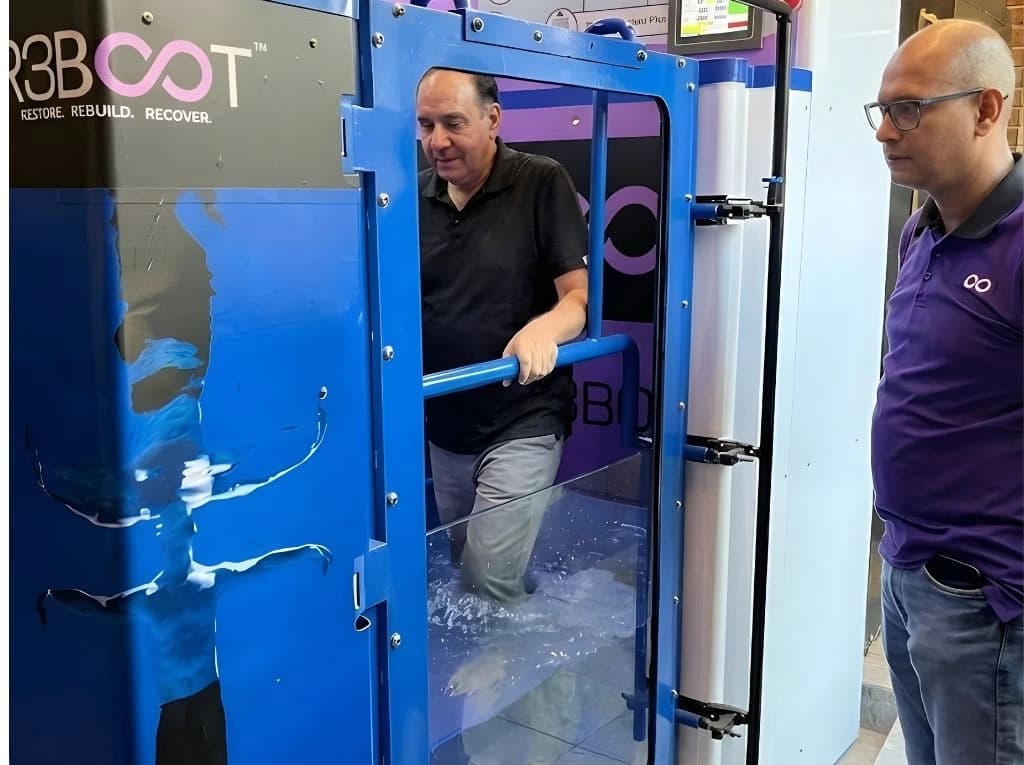
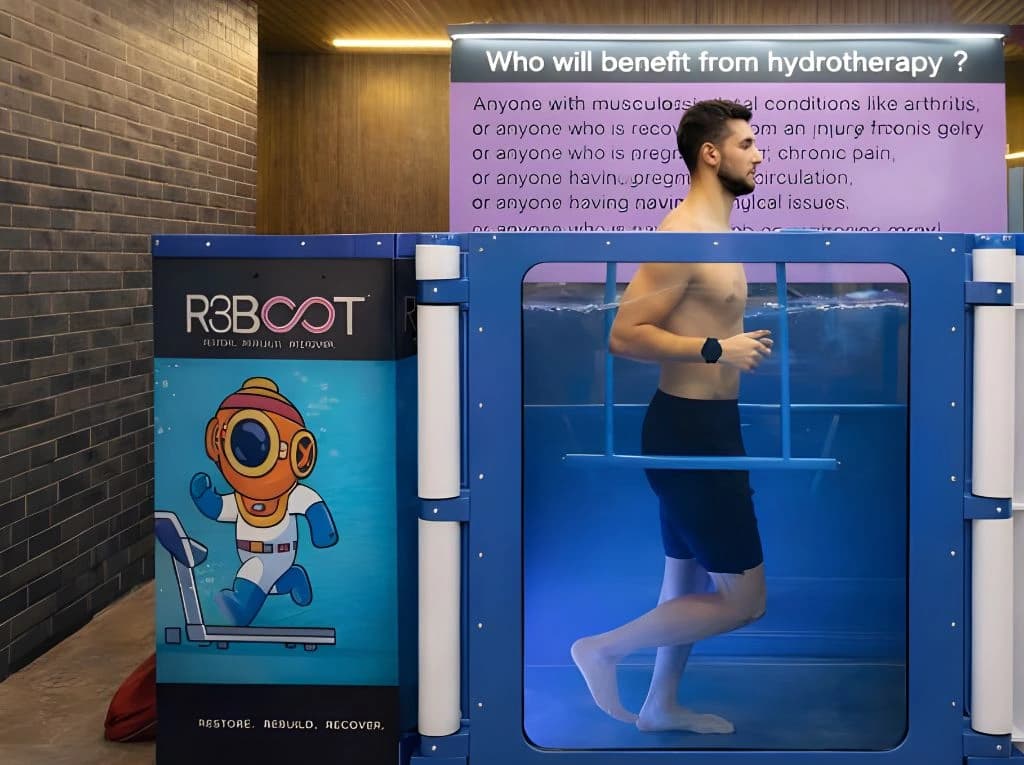
Aqua therapy when land hurts too much
Water holds you up so your spine carries less weight while you walk and move. Useful in early weeks when standing or walking on land triggers sharp leg pain. Dr. Vaishali is certified in aquatic rehabilitation.
Clinical Pilates and return-to-activity
Once acute pain settles, deep core and spinal control work builds lasting support. Phased return to desk work, commute, gym, and sport — with a flare-up plan so you know what to do if pain returns.
How L4–L5 disc bulge usually gets better
Most people improve without surgery. Recovery happens in phases — each one builds on the last. Your timeline may differ; nerve pain often takes longer than back pain alone.
Go to hospital urgently if you have:
- • Numbness in groin or saddle area
- • Difficulty passing urine or stool
- • Rapidly worsening leg weakness or foot drop

Calm the nerve (weeks 1–2)
Pain control, gentle walking, posture fixes, and short rest bursts — not days in bed. Your physiotherapist checks for red flags and sets a safe starting plan. Aqua therapy may begin here if standing on land is too painful.

Restore movement (weeks 2–6)
Mobility work, nerve glides, core activation, and commute-friendly advice. Pain should gradually shift from constant to occasional. Exercises are prescribed for your pattern — not copied from a generic list.

Rebuild strength (weeks 6–12+)
Hip and core strengthening, return-to-desk and return-to-gym progressions, and a flare-up plan for when pain returns. Clinical Pilates often joins here for deep spinal control. Most people feel significantly better — many return to full activity.
What to expect at R3BOOT
First visit is an assessment — not a random exercise session. Bring your MRI report if you have one.
Assessment & screening
Full history, movement testing, neurological screening, and MRI review if available. We confirm whether physiotherapy is right for you now — or if you need a doctor first.
Pain relief & safe movement
Hands-on treatment, nerve glides, posture advice, and a home plan for the first 1–2 weeks. Goal: reduce pain enough to move without fear.
Progressive rehab
Strengthening, aqua therapy if needed, clinical Pilates when ready. Sessions build on each other — not the same routine every visit.
Return to your life
Work, commute, gym, sport — phased back with clear milestones. Most clients feel significantly better within 6–12 weeks. We tell you honestly if progress is slower than expected.
The team behind
your recovery.
Dedicated professionals.
Real care.
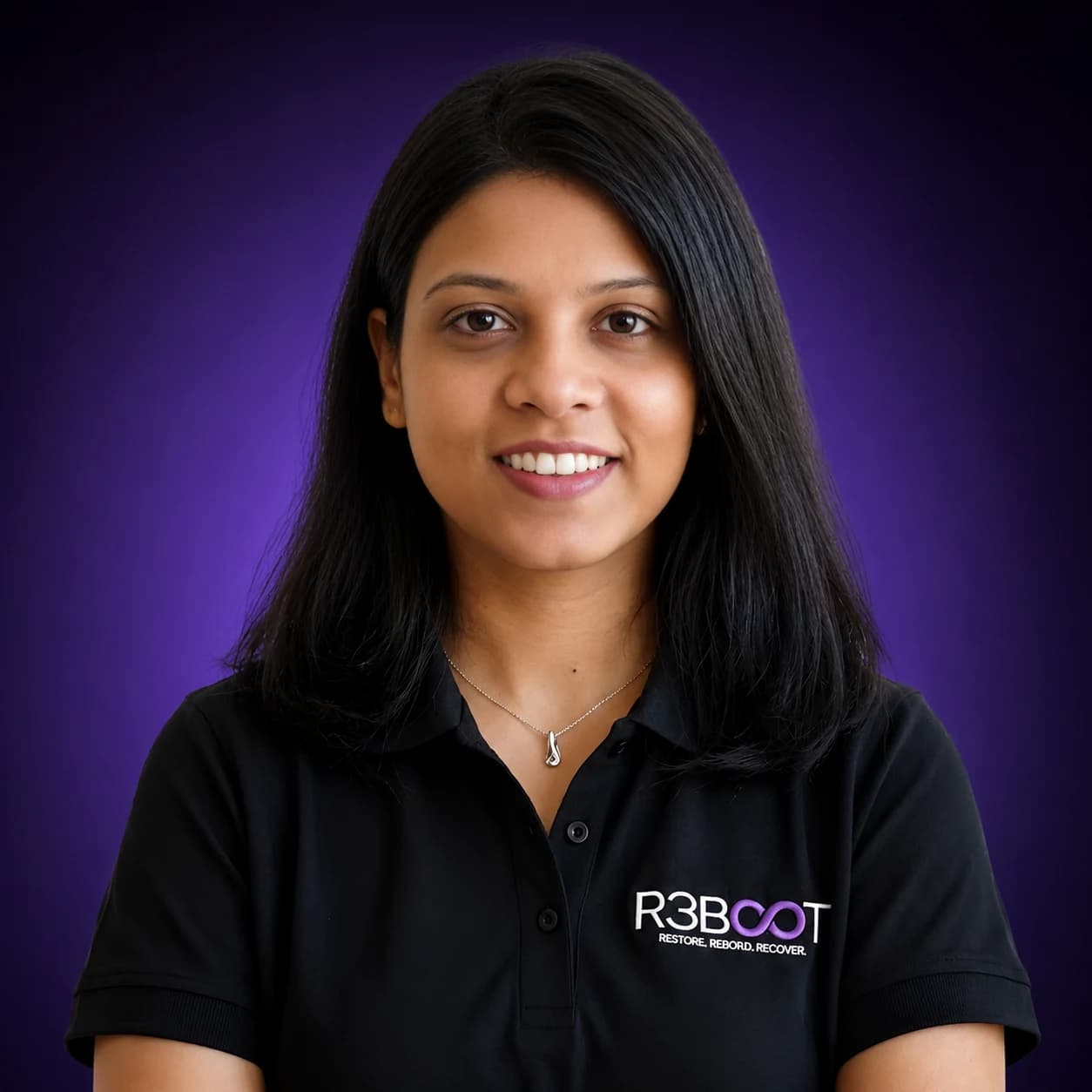
Dr. Hiral Parikh
The team behind your recovery.
Dedicated professionals. Real care.
Lead Physiotherapist
Dr. Hiral Parikh
BPT, Padmashree Dr. D.Y. Patil College of Physiotherapy|15+ Years Experience
Every protocol is supervised by a qualified physiotherapist. Your safety, comfort and recovery are in expert hands.
15+
Years Experience
5.0 ★
Google Rating
What clients say
“Reboot team was wonderful. Navigated me through the entire contrast therapy experience with great insights. My body also feels lighter and better. Would definitely recommend this place for someone looking for good recovery.”
Chandrakant Chande
Local Guide · 24 reviews
“The team is highly professional, knowledgeable, and genuinely caring. From the initial assessment to the recovery plan, everything was clearly explained and tailored to my needs. Highly recommend R3BOOT.”
Namrata Doshi
Local Guide · 12 reviews
“The Pilates sessions were highly personalized, with clear focus on alignment and core strength. I have already noticed better posture and reduced stiffness. Highly recommend for anyone serious about long-term physical wellness.”
Sonal Malik
Google User · 6 reviews
“The deep tissue massage, cupping therapy, and ice water treatment helped relieve my body stiffness tremendously, while the sauna session left me feeling completely rejuvenated. Professional and well-equipped.”
Dharmesh Thakkar
Google User · 8 reviews
“Excellent idea brought into reality. People will love to take benefit of it. Very professionally done. Keep it up and maintain high standard of services.”
JugalKishore Shah
Google User · 3 reviews
“Wonderful experience. It is one of those places you actually wait to visit again because the first time was so amazing. Highly recommended!”

Arjun
Google User · 5 reviews
What clients say
Chandrakant Chande
Local Guide · 24 reviews
“Reboot team was wonderful. Navigated me through the entire contrast therapy experience with great insights. My body also feels lighter and better. Would definitely recommend this place for someone looking for good recovery.”
Namrata Doshi
Local Guide · 12 reviews
“The team is highly professional, knowledgeable, and genuinely caring. From the initial assessment to the recovery plan, everything was clearly explained and tailored to my needs. Highly recommend R3BOOT.”
Sonal Malik
Google User · 6 reviews
“The Pilates sessions were highly personalized, with clear focus on alignment and core strength. I have already noticed better posture and reduced stiffness. Highly recommend for anyone serious about long-term physical wellness.”
Dharmesh Thakkar
Google User · 8 reviews
“The deep tissue massage, cupping therapy, and ice water treatment helped relieve my body stiffness tremendously, while the sauna session left me feeling completely rejuvenated. Professional and well-equipped.”
JugalKishore Shah
Google User · 3 reviews
“Excellent idea brought into reality. People will love to take benefit of it. Very professionally done. Keep it up and maintain high standard of services.”
Arjun
Google User · 5 reviews
“Wonderful experience. It is one of those places you actually wait to visit again because the first time was so amazing. Highly recommended!”
Chandrakant Chande
Local Guide · 24 reviews
“Reboot team was wonderful. Navigated me through the entire contrast therapy experience with great insights. My body also feels lighter and better. Would definitely recommend this place for someone looking for good recovery.”
Namrata Doshi
Local Guide · 12 reviews
“The team is highly professional, knowledgeable, and genuinely caring. From the initial assessment to the recovery plan, everything was clearly explained and tailored to my needs. Highly recommend R3BOOT.”
Sonal Malik
Google User · 6 reviews
“The Pilates sessions were highly personalized, with clear focus on alignment and core strength. I have already noticed better posture and reduced stiffness. Highly recommend for anyone serious about long-term physical wellness.”
Dharmesh Thakkar
Google User · 8 reviews
“The deep tissue massage, cupping therapy, and ice water treatment helped relieve my body stiffness tremendously, while the sauna session left me feeling completely rejuvenated. Professional and well-equipped.”
JugalKishore Shah
Google User · 3 reviews
“Excellent idea brought into reality. People will love to take benefit of it. Very professionally done. Keep it up and maintain high standard of services.”
Arjun
Google User · 5 reviews
“Wonderful experience. It is one of those places you actually wait to visit again because the first time was so amazing. Highly recommended!”
Chandrakant Chande
Local Guide · 24 reviews
“Reboot team was wonderful. Navigated me through the entire contrast therapy experience with great insights. My body also feels lighter and better. Would definitely recommend this place for someone looking for good recovery.”
Namrata Doshi
Local Guide · 12 reviews
“The team is highly professional, knowledgeable, and genuinely caring. From the initial assessment to the recovery plan, everything was clearly explained and tailored to my needs. Highly recommend R3BOOT.”
Sonal Malik
Google User · 6 reviews
“The Pilates sessions were highly personalized, with clear focus on alignment and core strength. I have already noticed better posture and reduced stiffness. Highly recommend for anyone serious about long-term physical wellness.”
Dharmesh Thakkar
Google User · 8 reviews
“The deep tissue massage, cupping therapy, and ice water treatment helped relieve my body stiffness tremendously, while the sauna session left me feeling completely rejuvenated. Professional and well-equipped.”
JugalKishore Shah
Google User · 3 reviews
“Excellent idea brought into reality. People will love to take benefit of it. Very professionally done. Keep it up and maintain high standard of services.”
Arjun
Google User · 5 reviews
“Wonderful experience. It is one of those places you actually wait to visit again because the first time was so amazing. Highly recommended!”
Chandrakant Chande
Local Guide · 24 reviews
“Reboot team was wonderful. Navigated me through the entire contrast therapy experience with great insights. My body also feels lighter and better. Would definitely recommend this place for someone looking for good recovery.”
Namrata Doshi
Local Guide · 12 reviews
“The team is highly professional, knowledgeable, and genuinely caring. From the initial assessment to the recovery plan, everything was clearly explained and tailored to my needs. Highly recommend R3BOOT.”
Sonal Malik
Google User · 6 reviews
“The Pilates sessions were highly personalized, with clear focus on alignment and core strength. I have already noticed better posture and reduced stiffness. Highly recommend for anyone serious about long-term physical wellness.”
Dharmesh Thakkar
Google User · 8 reviews
“The deep tissue massage, cupping therapy, and ice water treatment helped relieve my body stiffness tremendously, while the sauna session left me feeling completely rejuvenated. Professional and well-equipped.”
JugalKishore Shah
Google User · 3 reviews
“Excellent idea brought into reality. People will love to take benefit of it. Very professionally done. Keep it up and maintain high standard of services.”
Arjun
Google User · 5 reviews
“Wonderful experience. It is one of those places you actually wait to visit again because the first time was so amazing. Highly recommended!”
Book a physio assessment in Mumbai
R3BOOT, Dadar. Bring your MRI if you have one. Our physiotherapists will tell you honestly if this is the right starting point — or if you need a doctor first.
Dadar, Mumbai
Book a physio assessment in Mumbai
R3BOOT, Dadar. Most L4–L5 disc bulge cases improve without surgery. Start with an assessment — we will guide you from there.
Dadar, Mumbai